
CHURCH & GRANARY
From Fields to Fellowship
Agriculture has long shaped life in Amity and the surrounding Willamette Valley, alongside community institutions such as the Amity Baptist Church, originally built here on 6th Street.
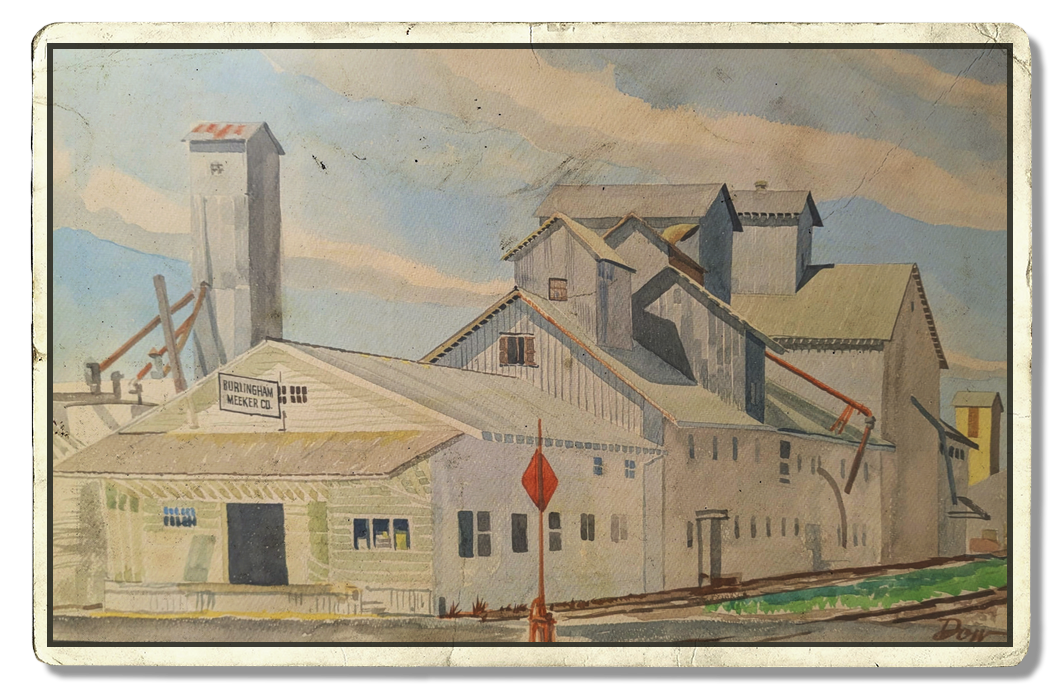
From the Meeker Seed and Grain Mill, built in 1910, to the region’s thriving hop farms and grain fields, agriculture provided livelihoods and a strong connection to the land. Seasonal workers, including members of the Confederated Tribes of Grand Ronde, played an important role in harvesting crops, while mills and grain elevators supported surrounding farms.
Together, the historic church, agricultural buildings, and images of the people who worked the land offer a glimpse into the community and industries that helped shape Amity.
Meeker Seed and Grain Mill: Painting by George Dow, courtesy of Yamhill County Historical Society
SNAPSHOT IN TIME
Photos from the past
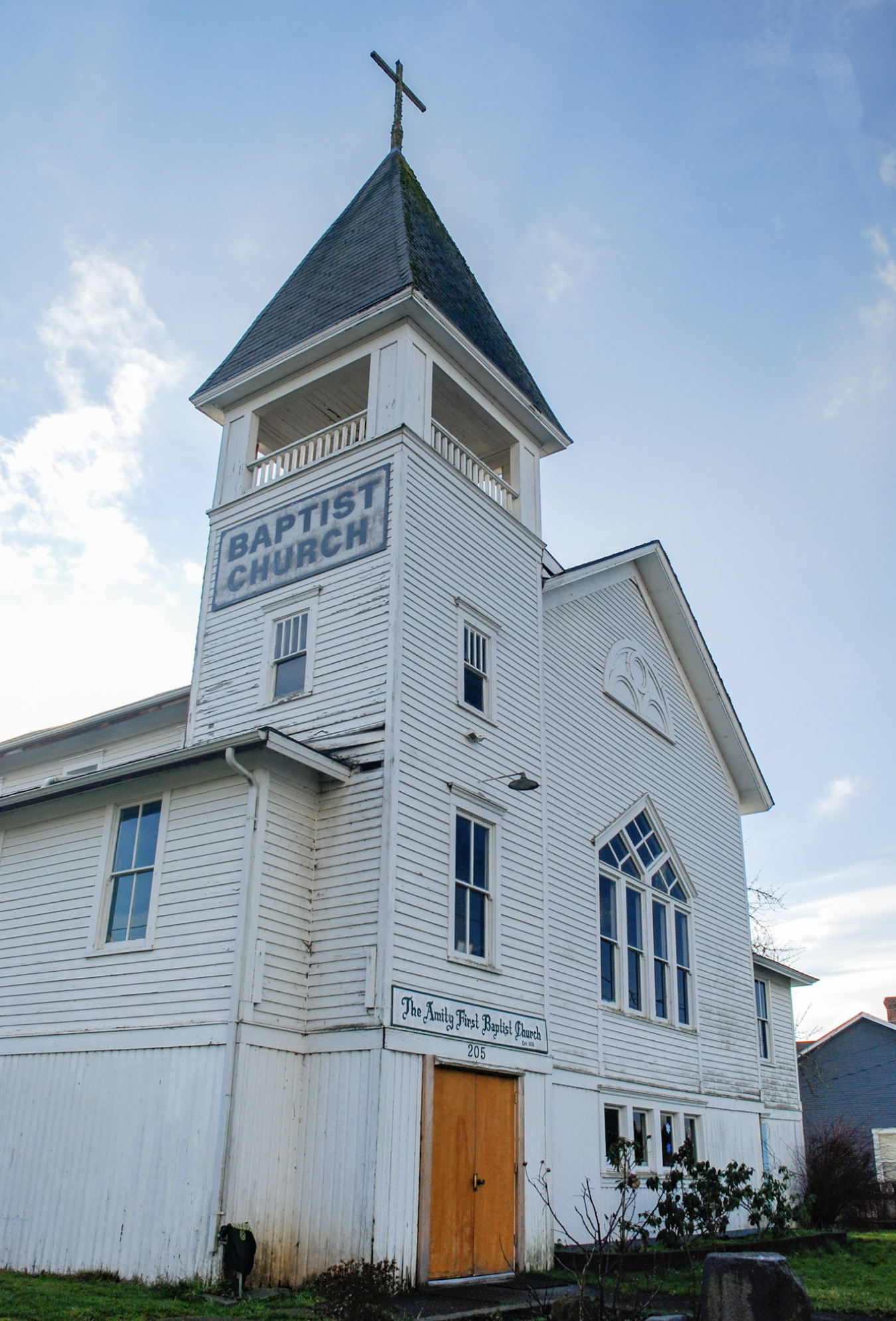
Amity Baptist Church
The Amity Baptist Church was originally built in 1862. In the late 2010s, the church underwent extensive renovation
Gary Halvorson, Oregon State Archives
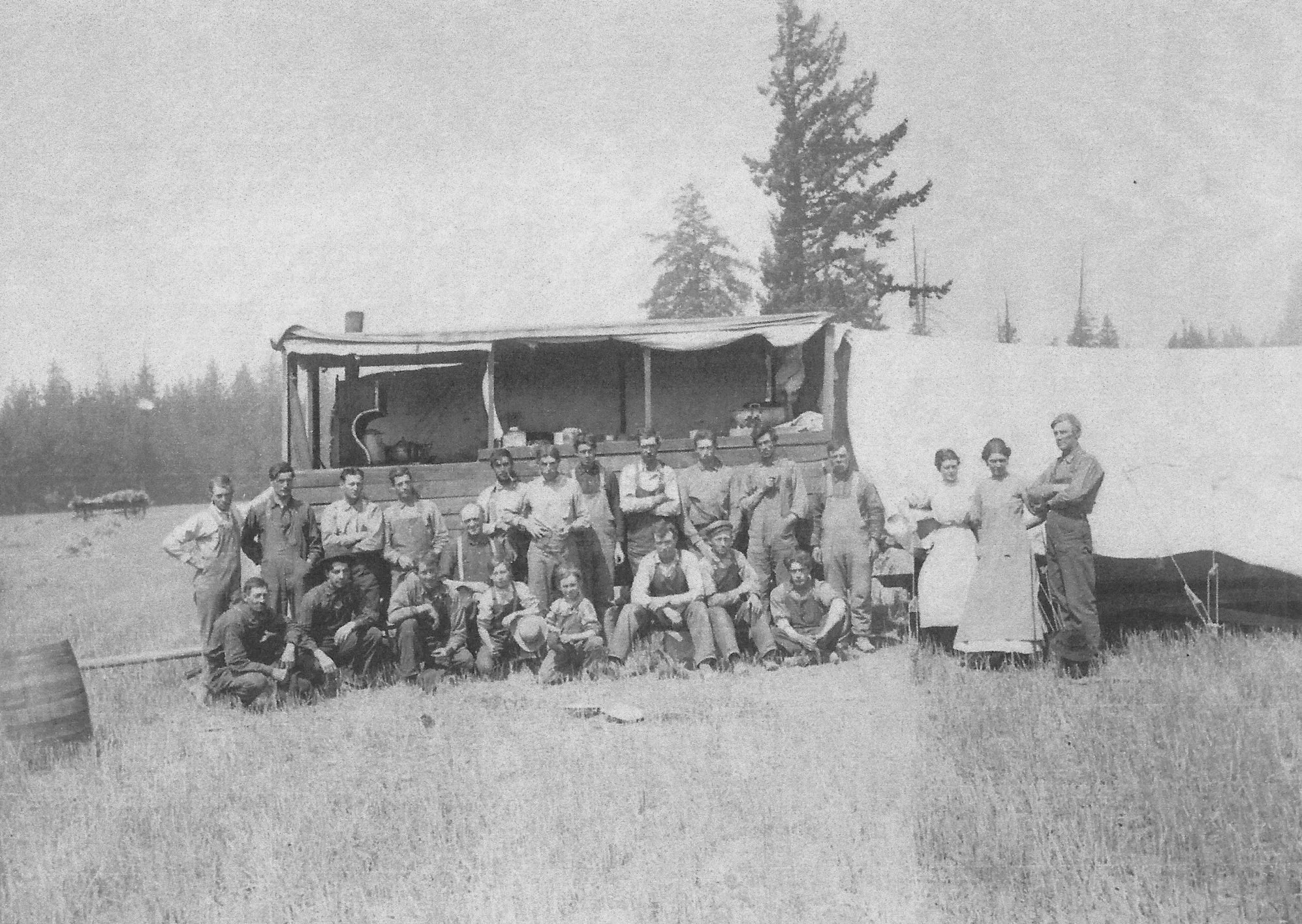
Hot Meals, Hard Work
A threshing crew stands in front of the cook wagon, thought to be on Versteeg Farm in Amity ca. 1900.
Yamhill County Historical Society
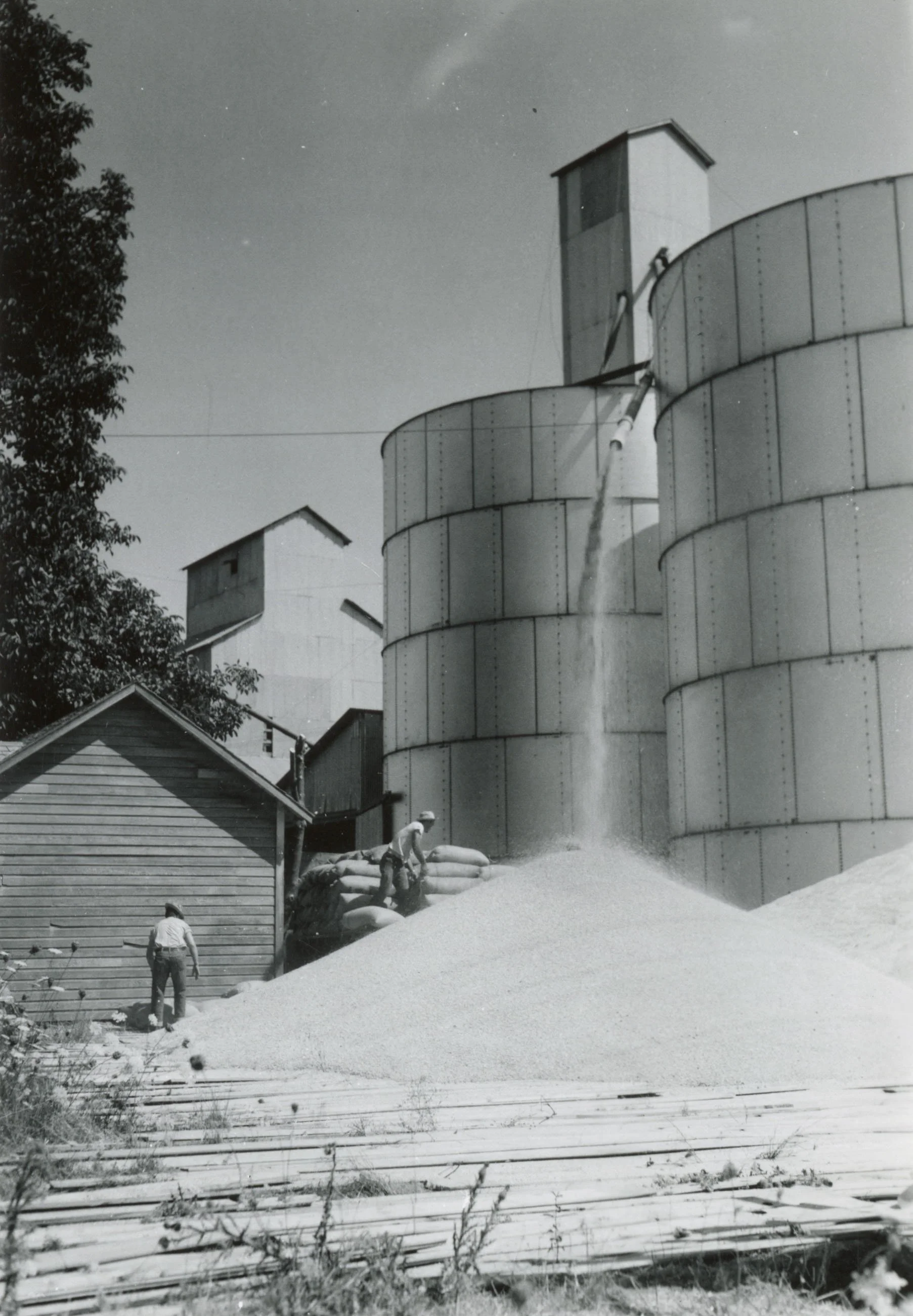
Elevating Agriculture
Workers move bags of barley as it pours from the grain elevator, Amity, 1952.
Oregon State Archives, Oregon Department of Agriculture, OAG0140
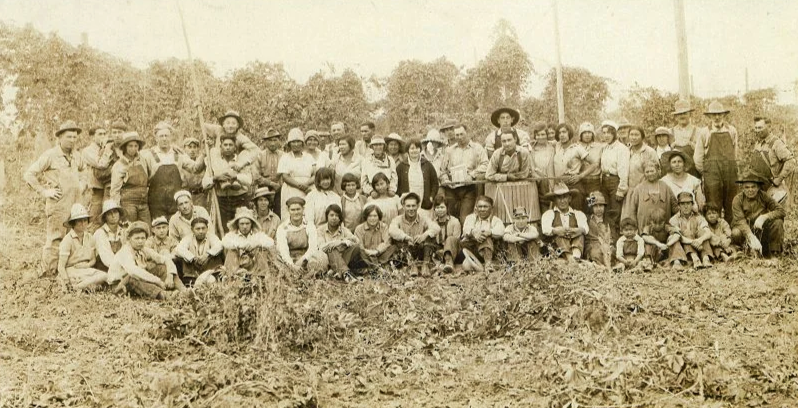
A Season in the Hop Yard
Confederated Tribes of Grand Ronde members worked seasonally in the hop yard in the early to mid-1900s. This group harvested sometime in the 1930s or ‘40s.
Chachalu Museum and Cultural Center
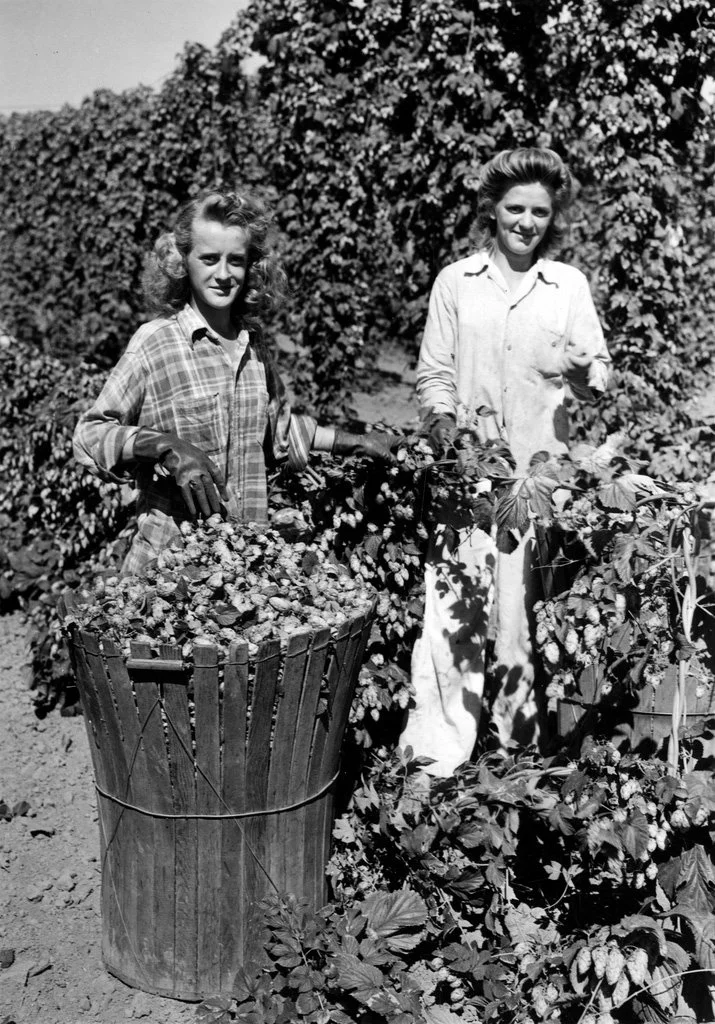
The Willamette Valley, hops capital of the world in 1910.
After Prohibition ended, thousands of seasonal laborers harvested the hop crops. Dorothy and Olgo Brutke made about $11 per day.
Oregon State University
VOICES OF AMITY
Stories in Their Own Words

Tony Meeker
Meeker Seed & Grain Co.
The Burlingham Meeker Co. was founded by Tony Meeker’s father in 1937 and operated along the railroad tracks in Amity, stretching from between 4th and 5th Streets to north of 6th Street.
Tony worked at the facility during his high school and college years before joining management in 1966, when the company became Meeker Seed & Grain Co. The business was sold in 1992, and the portion of the historic facility between 5th and 6th Streets was demolished in 1994.
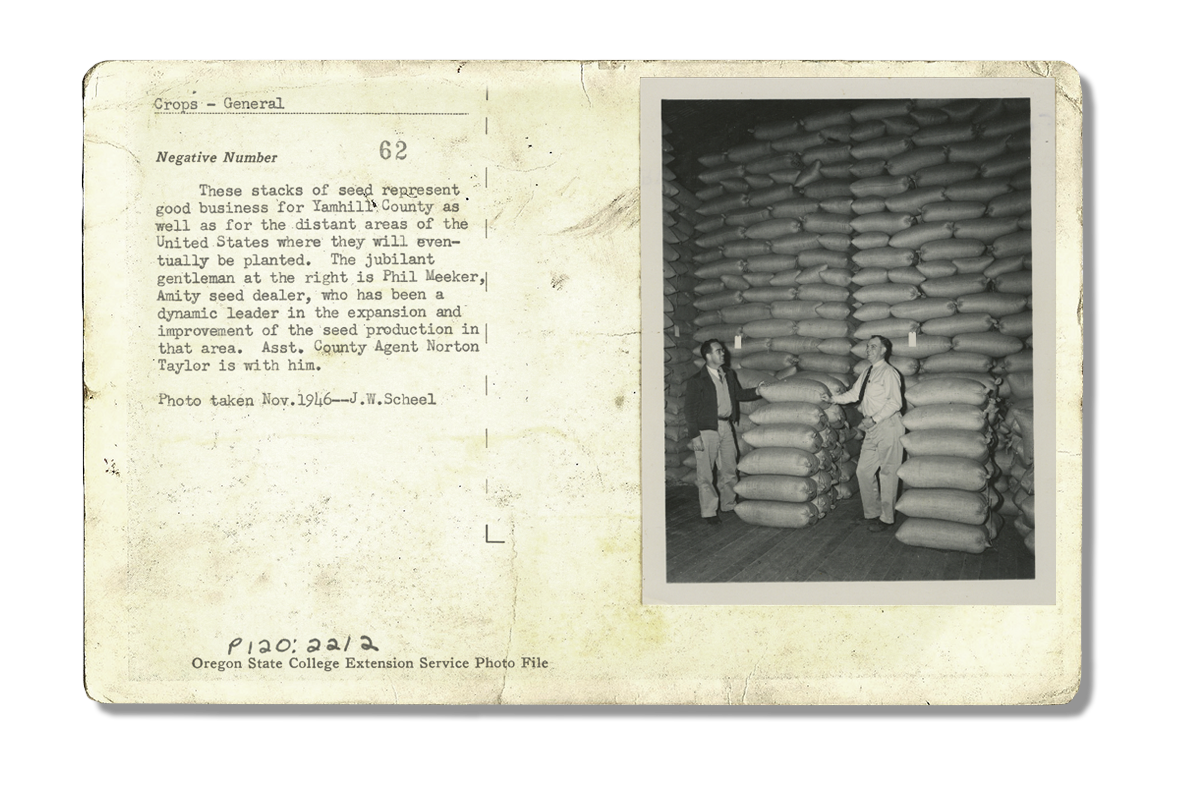
The original mill was built in 1910 by the Abraham family. Tony’s father, with Burlingham and Sons, purchased the facility in 1937, creating Burlingham Meeker Co., then Meeker Seed and Grain.
Oregon State University
INTERACTIVE MAP
Find Your Next Stop
Discover Amity, one stop at a time. Click or tap a marker, then scroll down in the popup and select Learn More to explore that location’s story.