
SALT CREEK
Life Along the Water
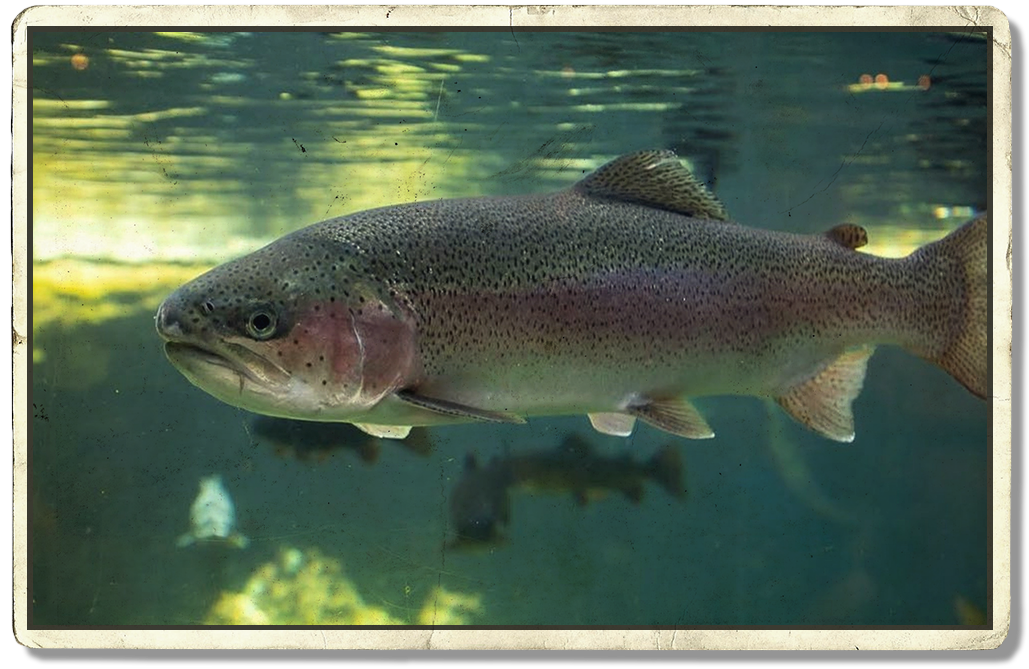
Salt Creek is a vital part of Amity’s natural landscape, winding through a rich mix of wetlands, prairies, and woodlands. The creek provides important habitat for fish such as coastal cutthroat and rainbow trout, while the surrounding landscape supports elk, acorn woodpeckers, and other wildlife. For generations, the Yamhill Kalapuya have relied on the creek and nearby prairies for foods including wapato, berries, tubers, and game.
Today, Salt Creek remains an important habitat and a place to experience the natural abundance that has long shaped life in the region.
DISCOVER THE LANDSCAPE
Explore Amity’s Outdoors
Wetland Abundance
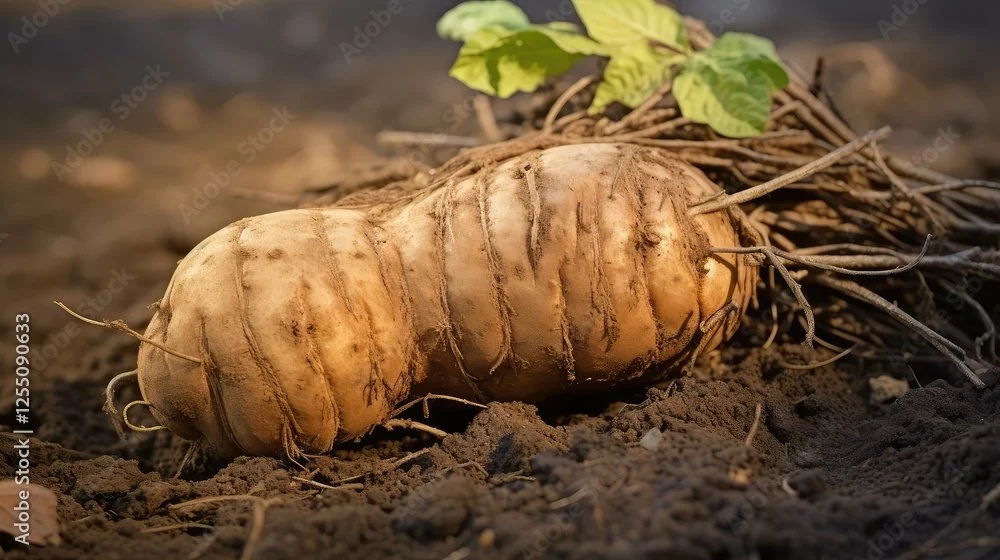
Yamhill Kalapuya (yamel kalapuya) people understood—historically and today—the nutritional value of wetland plants. They roasted wapato, a starchy tuber, much like we eat potatoes today.
Look for Me!
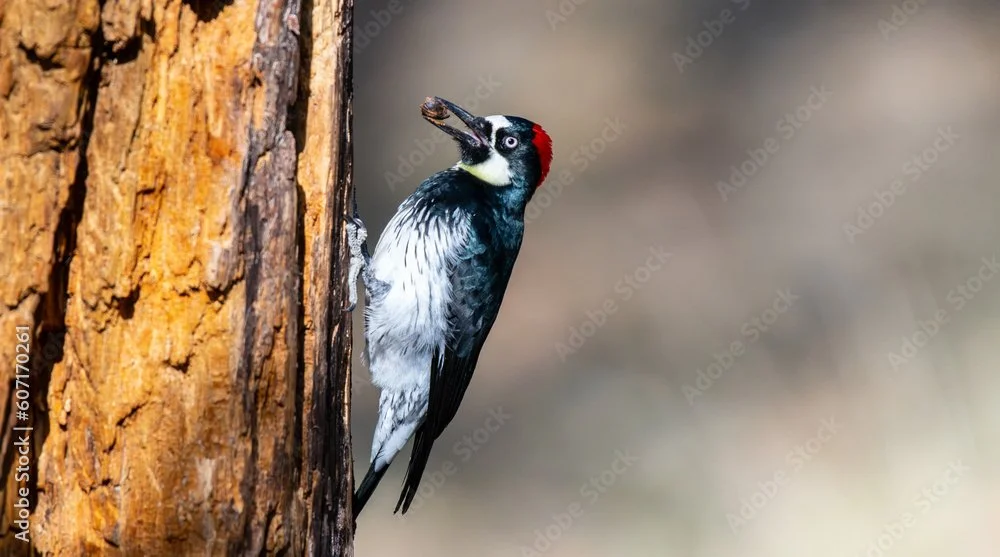
Acorn woodpeckers love the marshes, prairies, and woodlands around Salt Creek. The woodpeckers store acorns in snags and crevices, and they retrieve their bounty in spring.
Supporting Species
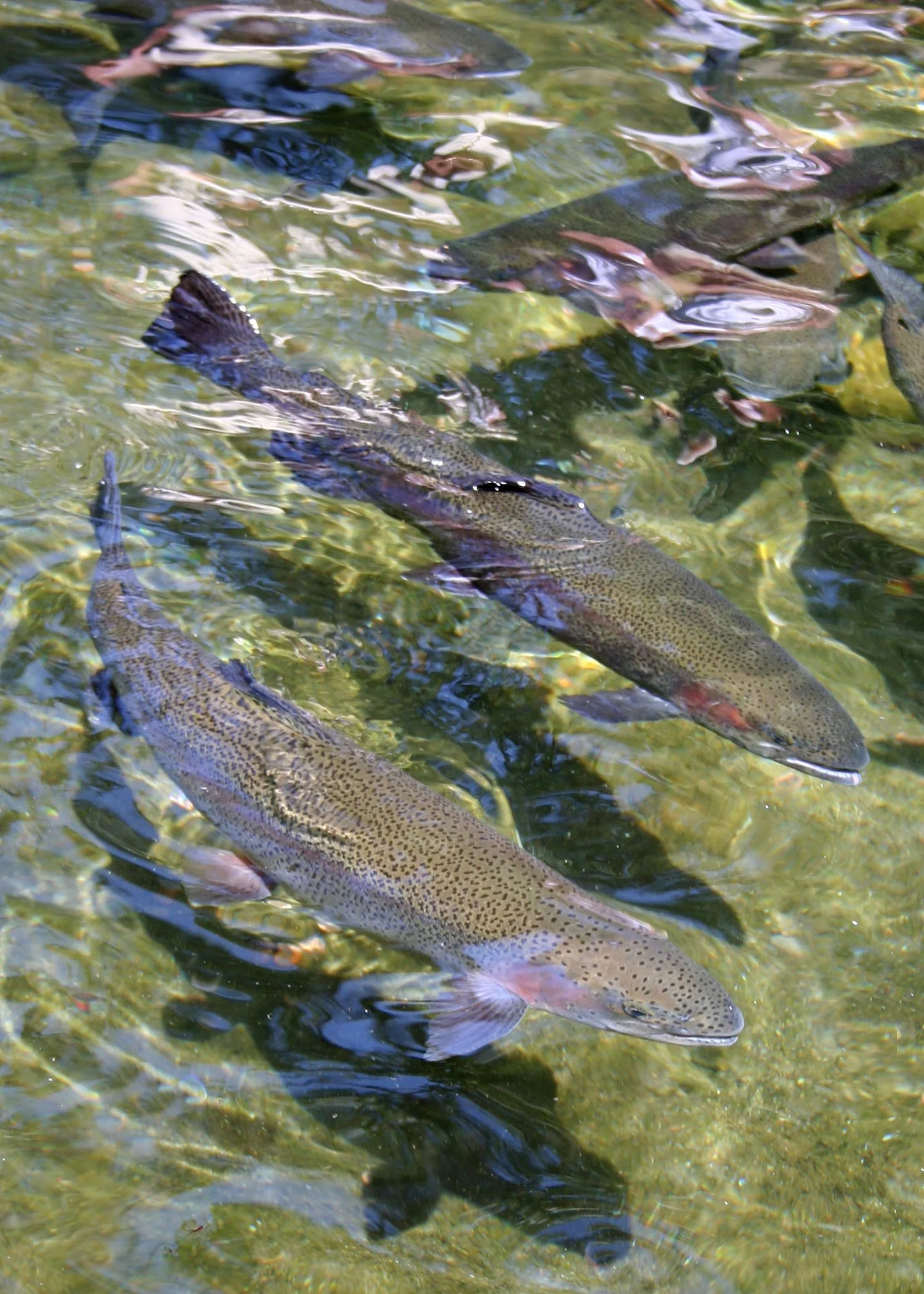
Oregon Department of Fish and Wildlife designated Salt Creek as essential salmonoid habitat. Species include coastal cutthroat trout, rainbow trout, and non-native brook trout.
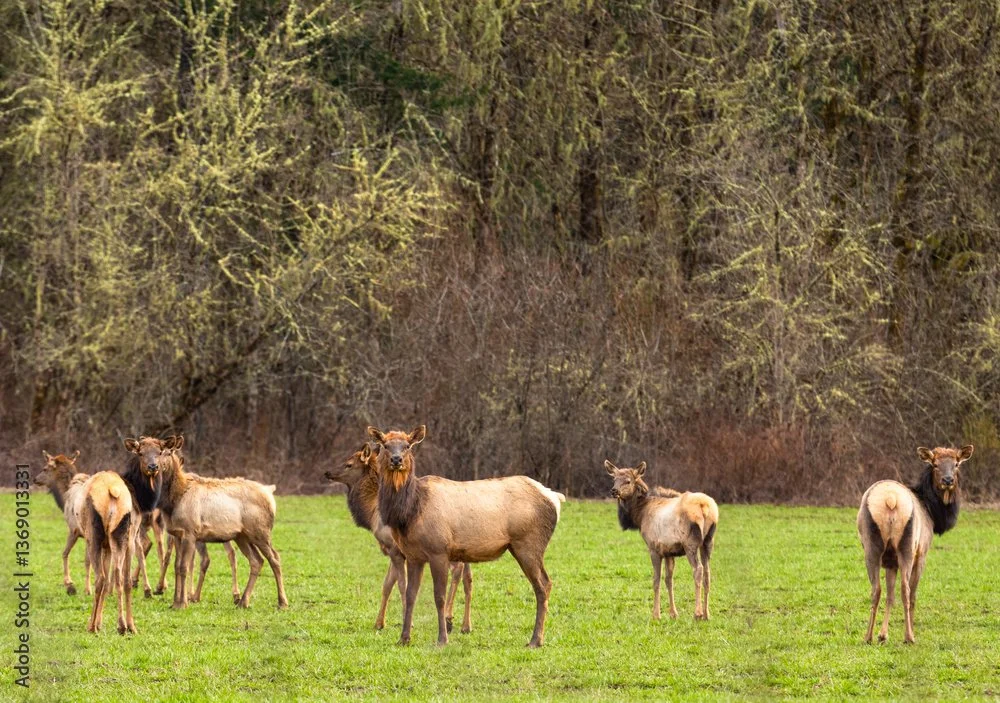
Prairies by Salt Creek
The Yamhill Kalapuya (yamel kalapuya) relied on the prairies near Salt Creek. They would gather and process tubers, berries, game animals and more. Elk and other animals would visit the creek and entice hunters.
Voices of Amity
Stories in Their Own Words
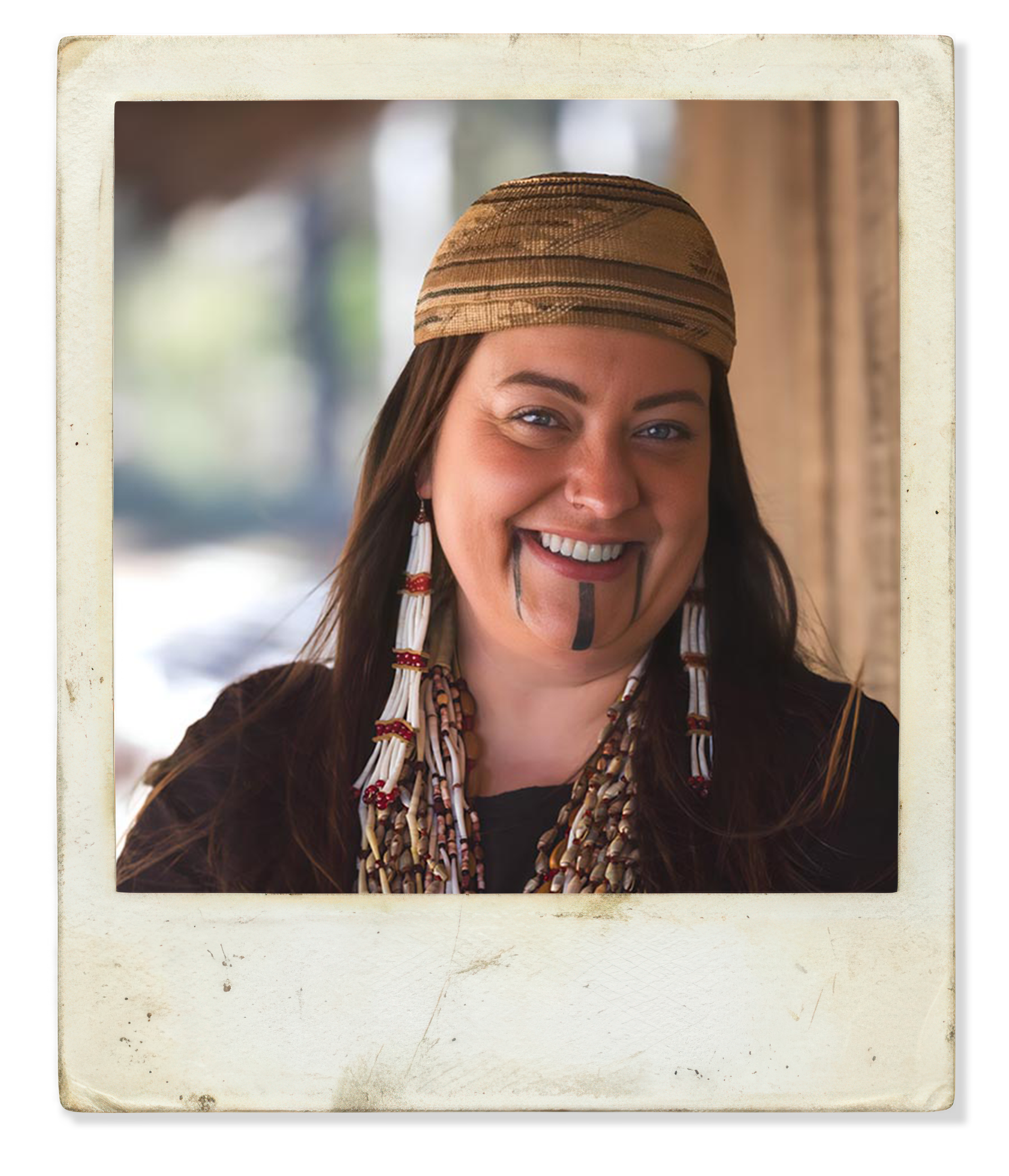
Stephanie Craig
Member of the Confederated Tribes of Grand Ronde
Stephanie Craig is a seventh-generation traditional basket weaver, Traditional Ecological Knowledge (TEK) and Lifeways practitioner, and culture keeper who combines ancestral knowledge, traditional plant fibers, and archaeological methods to preserve and revitalize centuries-old practices.
With degrees in Anthropology from the University of Oregon and more than 20 years of experience consulting with museums and agencies, she is dedicated to sharing cultural knowledge and teaching future generations to care for the land, water, plants, and animals.
INTERACTIVE MAP
Find Your Next Stop